

CTCIEF
中鼎教育基金會
2026 Little Sustainable Engineers Summer Camp Empowers Children to Put Sustainability into Action

Sustainability education should go beyond classroom learning and be integrated into everyday life. Through observation, hands-on activities, and experiential learning, children can develop the ability to tackle challenges and turn their ideas into action. The CTCI Education Foundation (CTCIEF), the CTCI Group, and the Taiwan Institute for Sustainable Energy (TAISE) jointly hosted the "2026 Little Sustainable Engineers Summer Camp" in July. Through a diverse range of courses and hands-on activities, the camp encouraged participants to develop engineering-based thinking and the ability to take action for sustainability.

The camp's opening ceremony was attended by Ambassador Eugene Chien, Chairman of the CTCI Education Foundation; Joanne Ho, Chief Sustainability Officer of CTCI Group; and Chia-pei Chou, Secretary-General of the CTCI Education Foundation. Through intergenerational dialogue, participants were inspired to reflect on sustainability issues. With sustainable engineering as its central theme, the curriculum explored how engineering can address environmental and social issues before moving on to field activities focused on carbon sequestration by trees. Participants made their own tools to measure the height of trees, and learned about the role trees play in carbon sequestration through observation and data conversion. These activities encouraged them to think about practical ways to reduce carbon emissions in their daily lives.

The camp also featured SDG-themed board game and problem-solving activities, giving participants opportunities to practice analyzing problems, integrating different opinions, and proposing solutions through teamwork and scenario-based challenges. A prize-winning Q&A activity based on everyday situations encouraged children to incorporate sustainability into their daily lives and turn ideas into action.
From Bird Rescue to Waste Incineration—Exploring Urban Ecology and Resource Circulation
Sustainability is not just about reducing carbon emissions. It also involves finding ways for people and nature to coexist and ensuring that resources are used responsibly. On the second day, participants visited Zhishan Cultural and Ecological Garden, where they learned about common bird species, beak structures, and feeding habits. By exploring how different species adapt, they gained a better understanding of the importance of biodiversity. They then visited Green DreamWorks, which is operated by ECOVE Environmental Corporation, and took a guided tour of its waste incineration facility to learn about waste treatment, facility operations, and environmental management.

From a bird and a tree to the waste generated in daily life, the children made firsthand observations at these sites and explored the connections between people, nature, consumption, and resource circulation. These experiences helped turn sustainability from an abstract concept in textbooks into something tangible.
From Transportation Safety to Disaster Preparedness—Fostering a Mindset of Urban Resilience
On the third day, participants visited the Evacuation Experience Center, where they learned about emergency response and evacuation procedures for public transportation systems through scenario-based activities, and gained an understanding of how to respond to unexpected situations and make sound decisions. In the afternoon, they visited the Taoyuan Disaster Education Center to participate in courses covering smoke evacuation, earthquake preparedness, and cardiopulmonary resuscitation (CPR). Through simulated scenarios, they learned evacuation procedures and basic first-aid techniques.

Through experiential learning that emphasized seeing and doing, the children came to understand that sustainability encompasses more than environmental protection and resource utilization; it also includes urban safety, risk management, and social resilience. These experiences helped them develop abilities needed to respond to future challenges.
Three Days of Learning to Take Action for Sustainability—How Sustainability Starts with Daily Life
The closing ceremony, originally scheduled for July 10, was canceled due to a typhoon. As a result, participants were unable to complete activities scheduled for the final day or share the outcomes of their learning. Although the cancellation was disappointing, the first three days of learning had already introduced participants to various dimensions of taking action for sustainability. The Little Sustainable Engineers Summer Camp does more than impart knowledge on sustainability. Through engineering-based thinking and experiential education, it helps children develop the ability to identify problems, analyze them, and explore potential solutions. The CTCI Education Foundation will continue to promote sustainability education for children and young people, turning sustainability from something they simply learn about into something they practice in daily life. By nurturing a new generation equipped with creative thinking, problem-solving skills, and the ability to take action from an early age, the foundation aims to help empower young people to shape a better future.
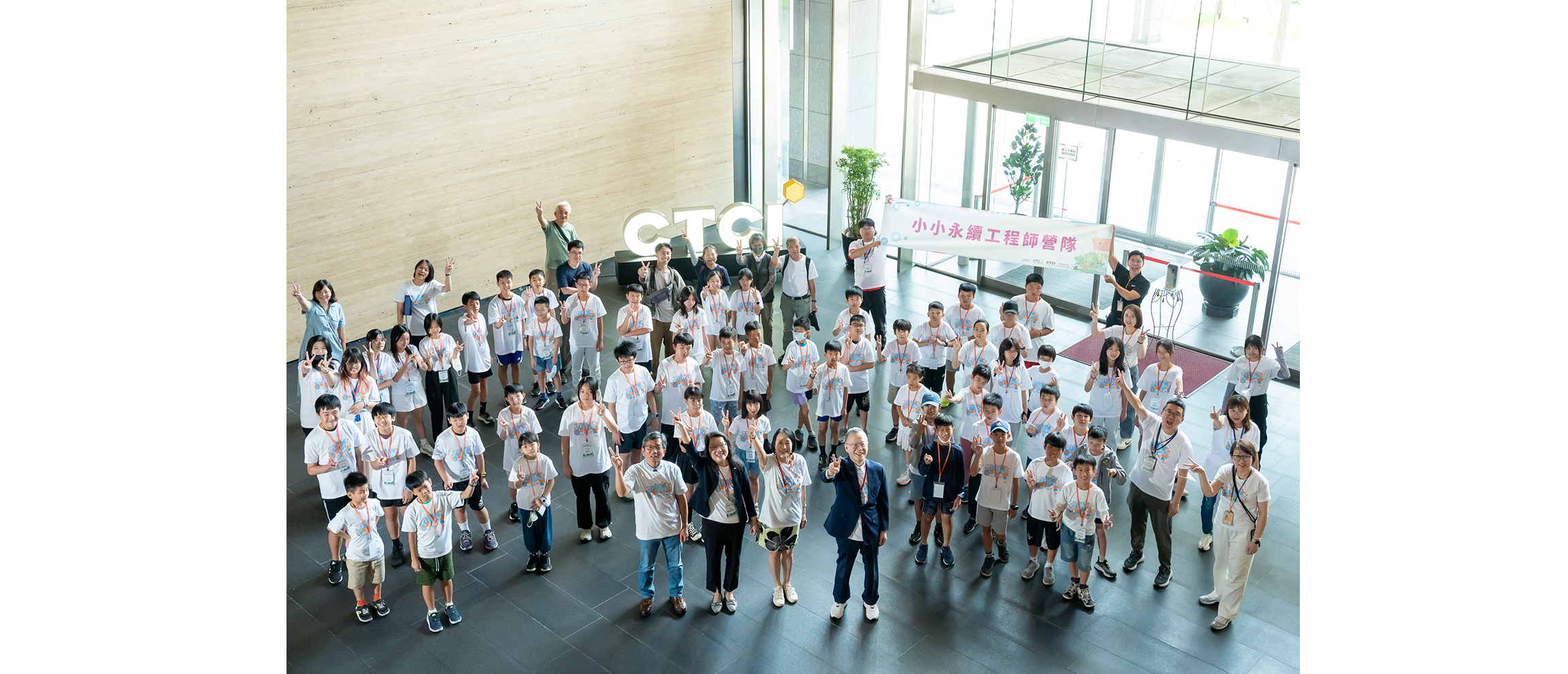
Group photo of participants in the 2026 Little Sustainable Engineers Summer Camp
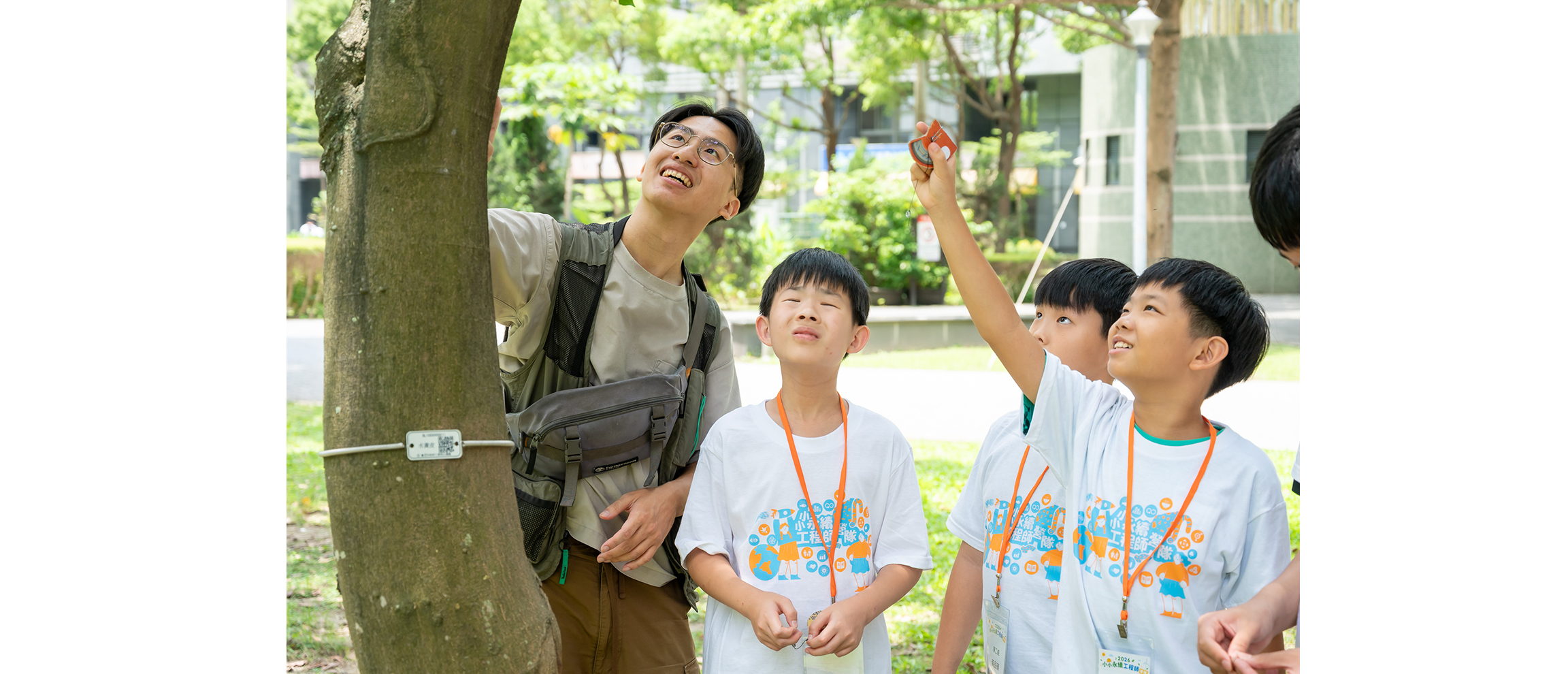
The Carbon Sequestration Survey Squad
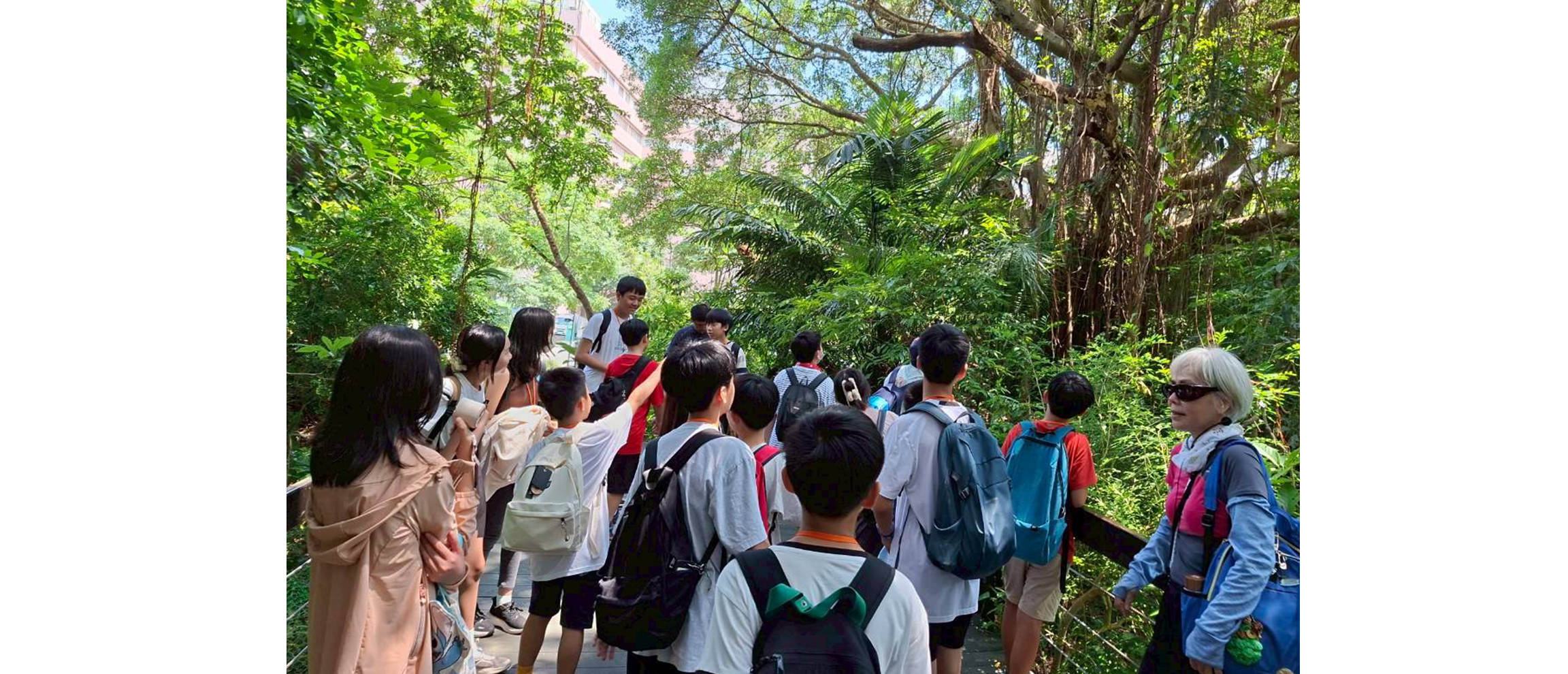
Visiting Zhishan Cultural and Ecological Garden and learning about the importance of biodiversity through the adaptation of different species


