

Corporate Citizen
企業公民
Workplace Safety as a Key Component of ESG

With the increasing global emphasis on sustainable development, Environmental, Social, and Governance (ESG) has become a widely recognized framework for evaluating corporate sustainability performance. Among its three pillars, workplace safety is a fundamental component of the Social (S) dimension, as it directly affects employees’ health, safety, and well-being while reflecting an organization’s commitment to responsible corporate governance. Establishing a comprehensive occupational safety and health management system is therefore essential to sustainable business operations. Such a system enables organizations to mitigate operational risks, enhance organizational resilience, and foster stakeholder trust, thereby supporting long-term sustainable growth and value creation.

From the perspective of corporate social responsibility, safeguarding employees’ safety and health is one of the most fundamental and essential responsibilities of an enterprise. Employees are among a company’s most valuable assets. Workplace hazards, such as aging equipment, inadequate safety training, excessive working hours, incomplete operating procedures, and excessive psychological stress, may contribute to occupational injuries and workplace accidents. Therefore, continuous investment in occupational safety and health management not only helps reduce accident rates but also strengthens employees’ trust, engagement, and sense of belonging within the organization. A safe and healthy working environment reflects a company’s respect for the value of life and fundamental human rights. Accordingly, workplace safety has become a key indicator of corporate social responsibility and sustainable business development.

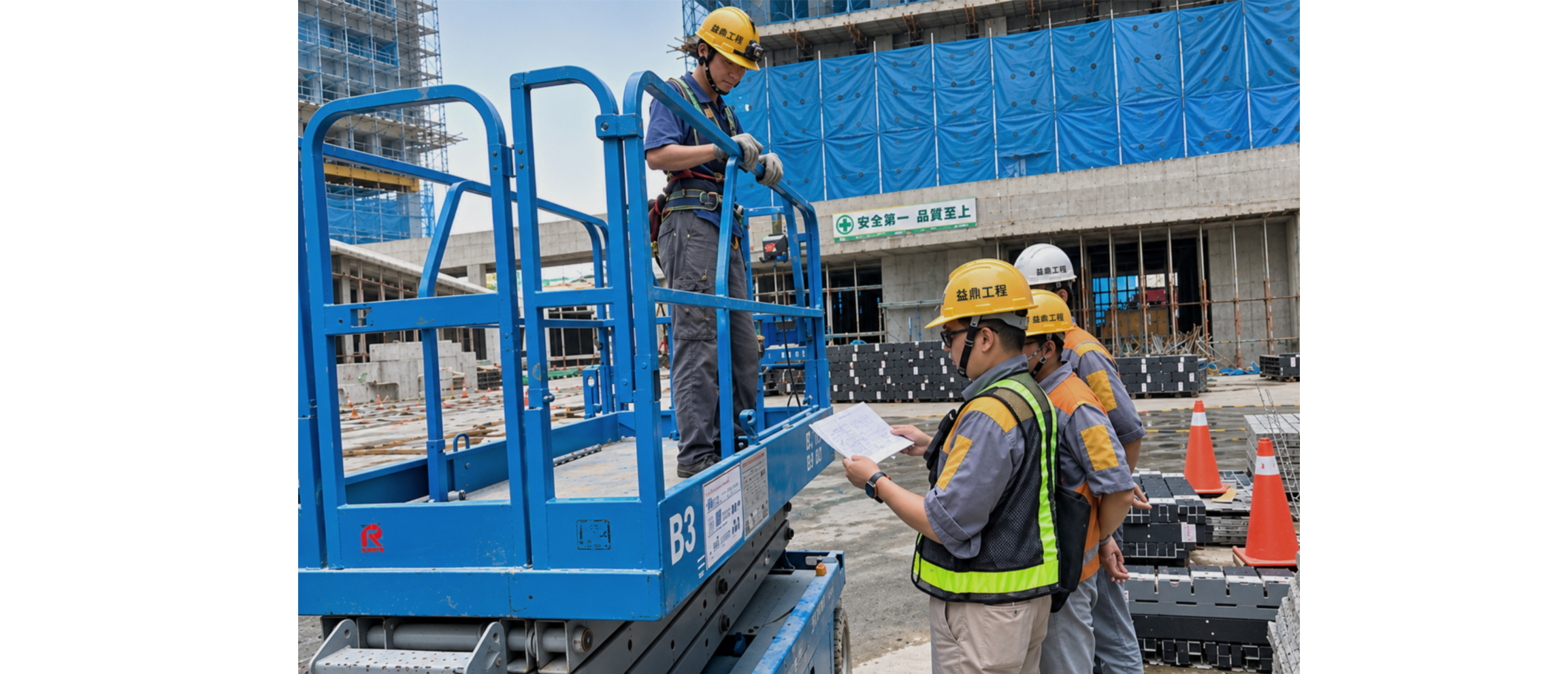
SEC actively supports the National Workplace Safety and Health Week Implementation Plan promoted by the Occupational Safety and Health Administration (OSHA), Ministry of Labor, Taiwan. In accordance with its annual Health, Safety, and Environment (HSE) program, SEC regularly organizes workplace HSE awareness campaigns at project sites (Figure 1), HSE competitions, training sessions at annual conferences, and professional seminars to continuously strengthen employees’ safety and health awareness.

Internally, the Company regularly provides occupational safety and health training for engineers to enhance their hazard identification and risk prevention capabilities . At project sites, daily pre-work safety briefings are conducted for construction personnel providing hazard reminders and safety guidance to reduce the likelihood of accidents while strengthening workers’ safety awareness and ability to protect themselves.

To promote employee health and well-being, SEC engages contracted physicians to provide regular on-site medical services, including health consultation clinics self-care guidance, medication safety consultations, and interpretation of health examination reports. These services help employees better understand and manage their personal health conditions. In addition, for employees identified as being at elevated health risk, occupational health nurses proactively arrange appointments with contracted physicians for further health assessments and professional recommendations. Through these initiatives, SEC strives to strengthen occupational health management and disease prevention while fostering a safe, healthy, and employee-friendly workplace.
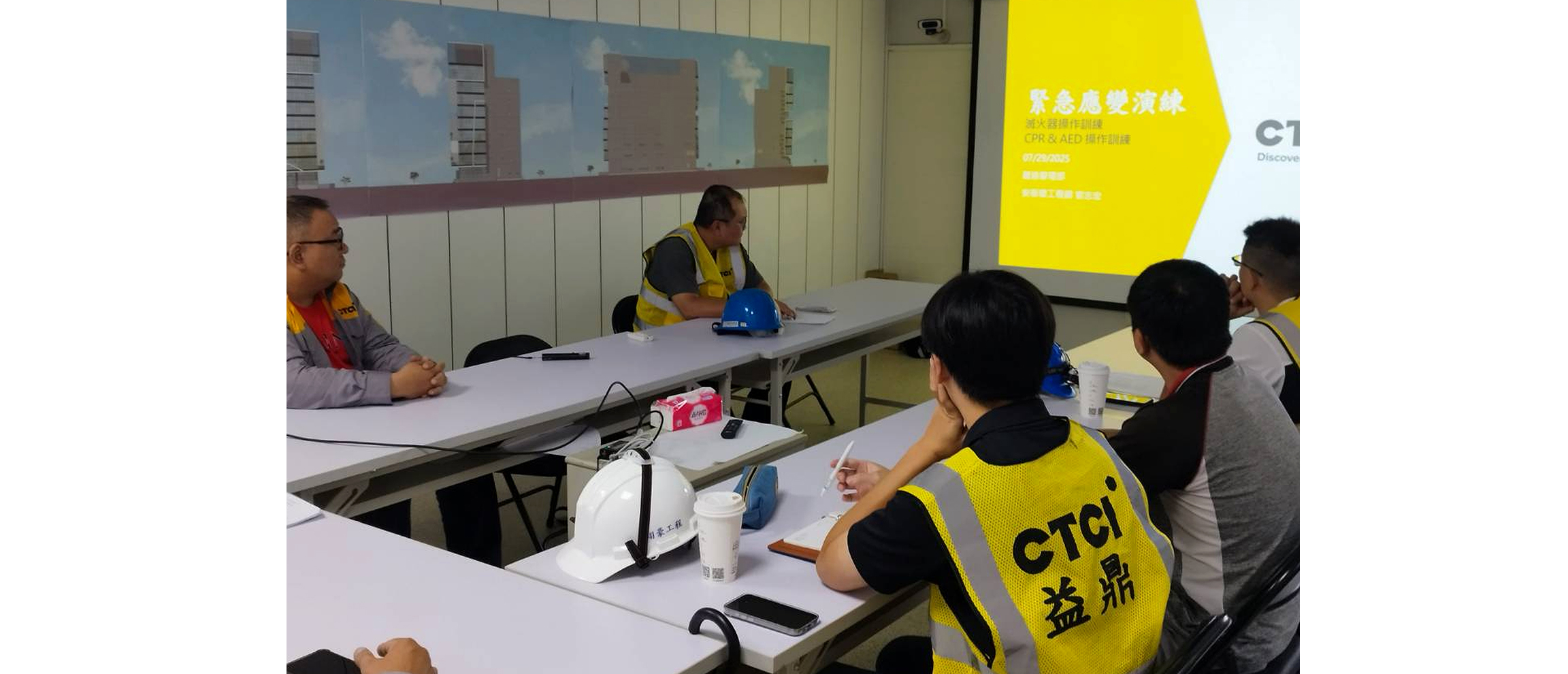
Safety education and training programs are implemented at construction sites to strengthen workers’ safety awareness, promote safe work practices, and prevent occupational accidents and injuries.
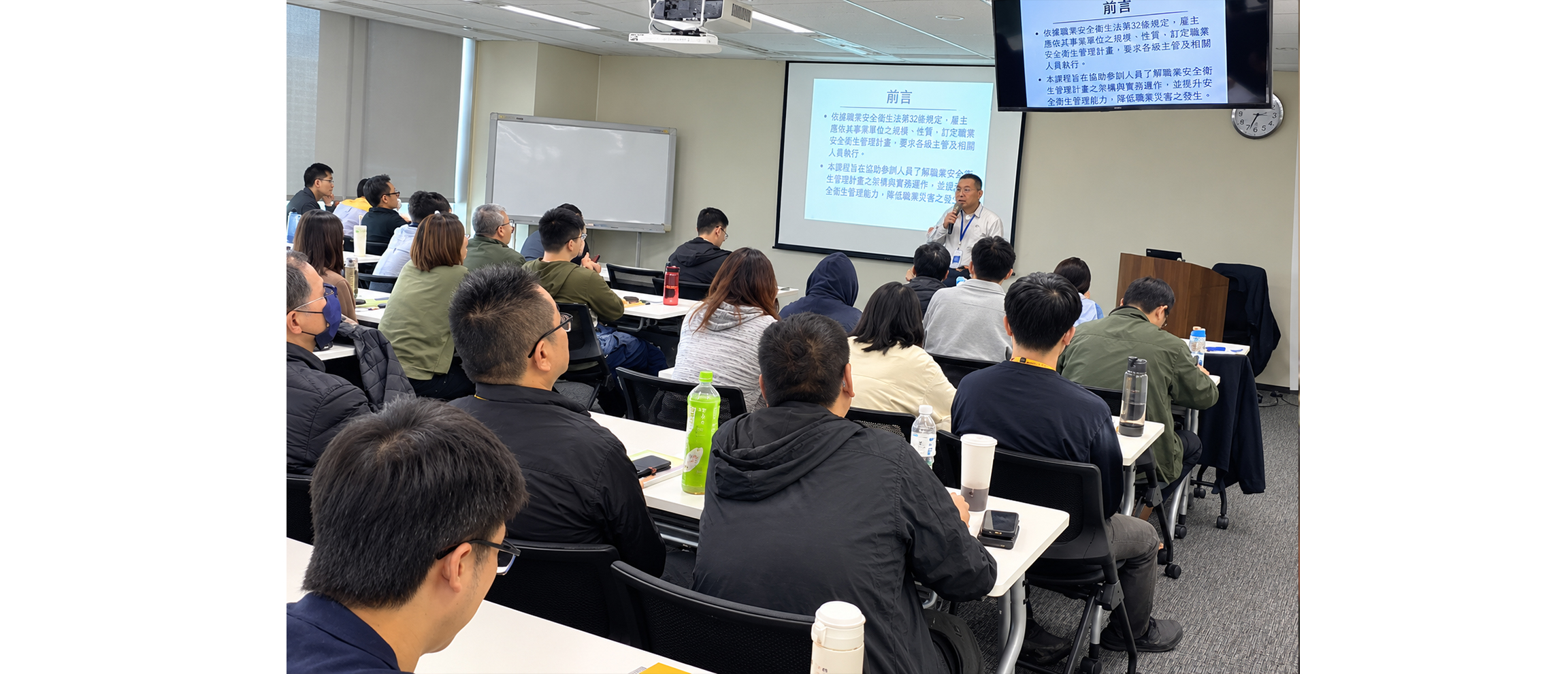
Safety education and training were provided to engineers to enhance hazard awareness and strengthen safety culture.
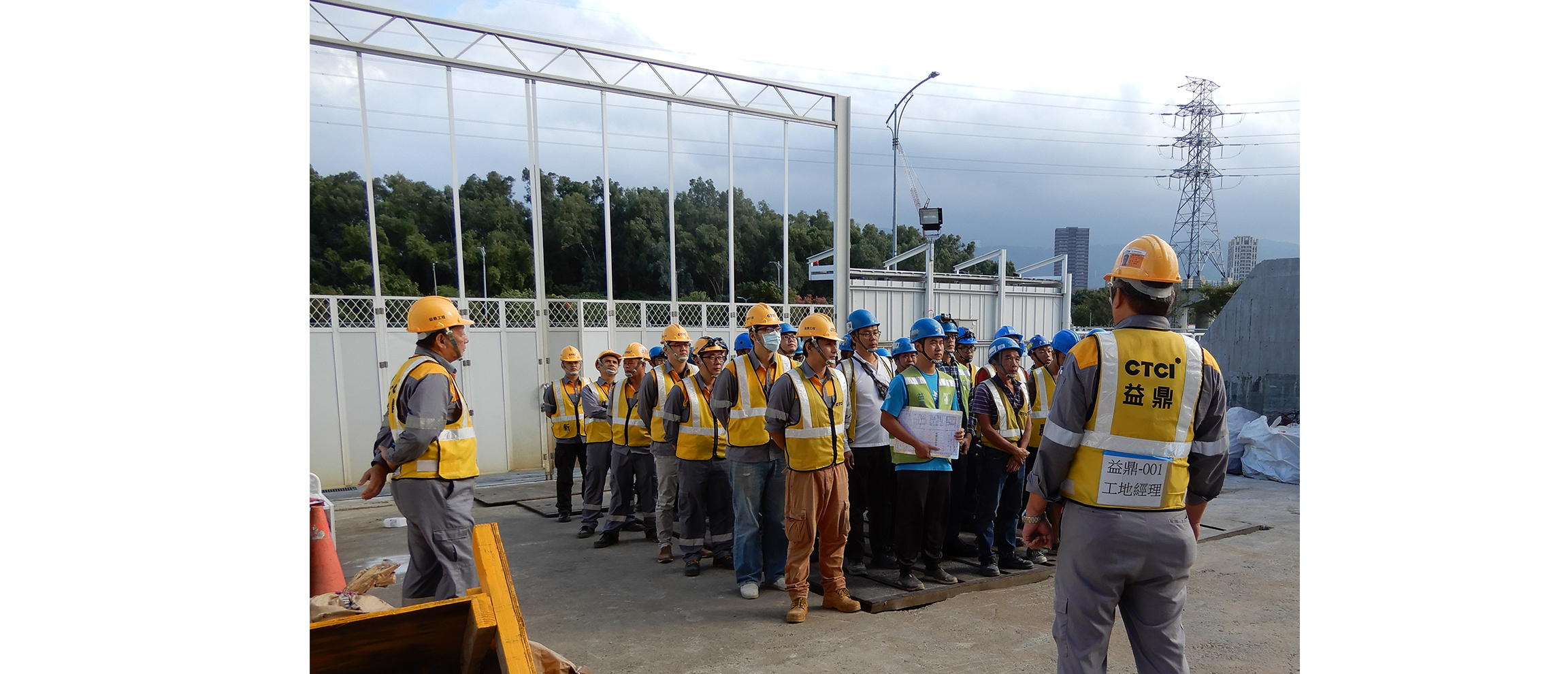
Daily pre-work safety briefings are conducted to enhance construction personnel’s safety awareness and promote safe work practices.

Occupational physicians provide professional health consultations and support to employees, promoting the maintenance and enhancement of employees’ overall health and well-being.
Occupational Health and Safety (OHS) is a key issue within the Social (S) dimension of ESG, serving as a fundamental pillar of employee care and sustainable corporate governance. In alignment with international standards and frameworks, such as the Global Reporting Initiative (GRI) and the Sustainability Accounting Standards Board (SASB), companies continue to enhance workplace safety performance through occupational injury management, safety training, risk prevention, and health promotion initiatives.

Furthermore, different industries face specific occupational safety and health disclosure requirements. For example, manufacturing companies are expected to disclose protective measures for high-risk operations and accident prevention strategies. Construction companies are expected to disclose contractor safety management systems and on-site safety culture initiatives. Transportation and logistics companies should emphasize driver safety management and fatigue risk control. These quantitative and qualitative disclosures help investors evaluate a company’s operational capabilities and risk management effectiveness, demonstrating that workplace safety is not only a matter of social responsibility but is also closely linked to the quality of corporate governance and long-term sustainability.

Many companies have traditionally regarded workplace safety as an additional operating cost. However, from a risk management perspective, occupational safety and health is a critical investment. A major safety incident can expose a company to regulatory fines, legal liabilities, operational disruptions, reputational damage, and declining investor confidence, ultimately contributing to stock price volatility. Beyond injuries and fatalities, occupational accidents may result in long-term legal and reputational risks. Therefore, workplace safety incidents are far more than site-level management issues; they directly reflect a company’s overall governance and risk management capabilities.

Beyond risk reduction, effective occupational safety and health management can actively enhance corporate competitiveness. Research indicates that companies with strong safety performance tend to achieve higher employee satisfaction and lower turnover rates. When employees perceive that their health and safety are genuinely valued, they are more likely to demonstrate higher levels of engagement and productivity. A stable and safe working environment also minimizes workforce disruptions and operational losses caused by accidents, thereby improving overall efficiency. This demonstrates that workplace safety is not only essential for protecting employees but also a key contributor to overall business performance.

Furthermore, workplace safety is a key indicator of corporate governance maturity. When companies integrate safety performance indicators into key performance indicators (KPIs) and assign senior management accountability for occupational safety and health policies, this demonstrates that safety has been elevated to a strategic priority rather than treated merely as a routine compliance obligation. This top-down commitment helps foster a safety-first culture in which employees at all levels actively participate in hazard identification and risk management, contributing to a safer working environment for all.

In recent years, corporate attention to workplace safety has expanded beyond individual worksites to encompass overall supply chain management. When selecting suppliers, large multinational corporations evaluate not only price and quality but also labor conditions and occupational safety and health management systems. If a major workplace accident occurs within the supply chain, the brand owner may likewise face public criticism and market pressure. As a result, many companies now require their suppliers to comply with occupational safety and health standards and support them through audits, training programs, and other capacity-building initiatives.

This trend demonstrates that workplace safety is no longer merely an internal corporate issue but a shared responsibility across the entire supply chain. In response, SEC not only continues to promote occupational safety and health education and training programs but also conducts annual external OHS audits at project sites as well as internal occupational safety and health audits. Through these systematic auditing mechanisms, SEC further strengthens safety practices across its project sites and supports contractors in enhancing their occupational safety and health management capabilities.
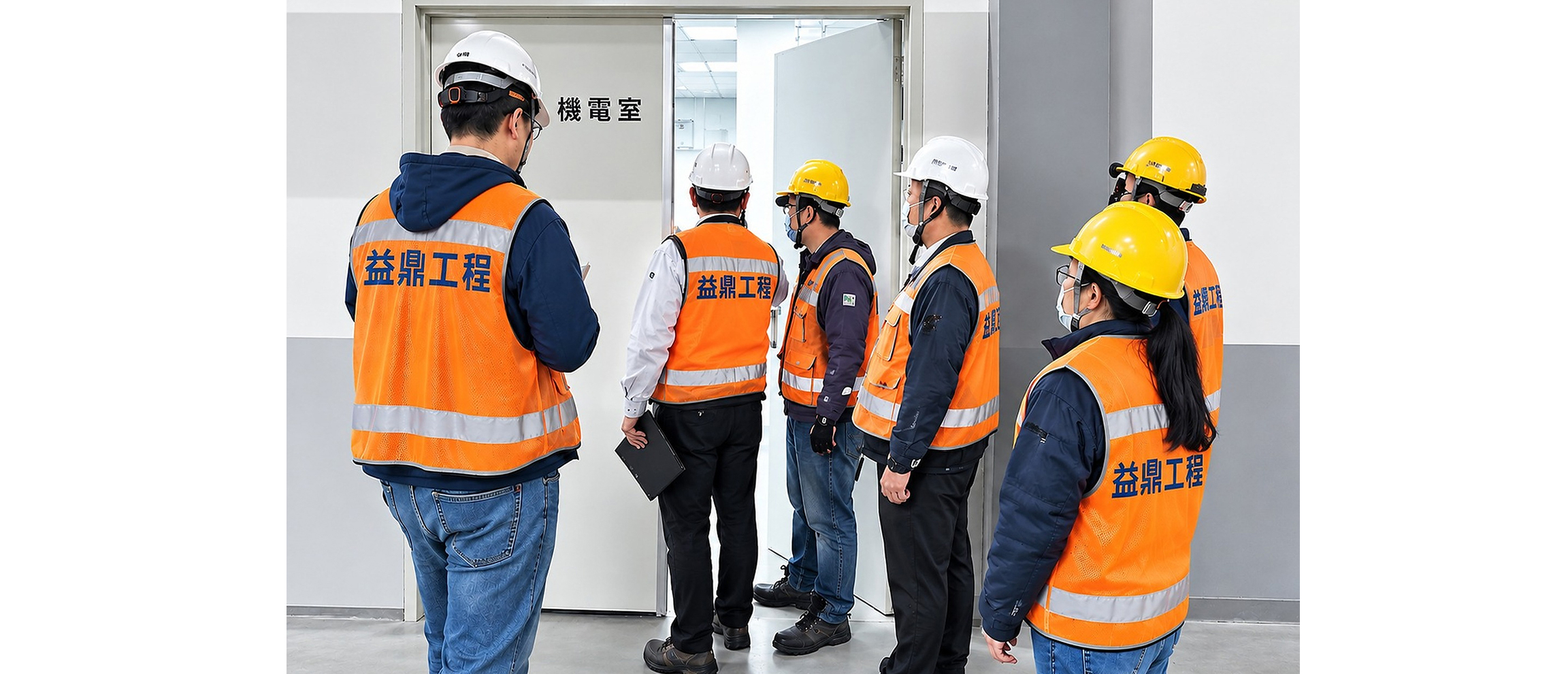
External HSE Audit by Qualified Experts
Internal HSE Audit by Corporate Headquarters
From an investor perspective, workplace safety is an important consideration in assessing a company’s long-term value and business risks. With the continued development of responsible investment and sustainable finance, an increasing number of institutional investors are incorporating ESG performance into their investment decision-making criteria. A high occupational injury rate, poor safety record, or inadequate occupational safety and health management system may be perceived by investors as an indicator of heightened operational risk, potentially reducing investment interest. Conversely, strong safety performance, robust occupational safety and health management practices, and transparent disclosure can enhance market confidence and strengthen a company’s ability to attract long-term investment.

In line with international sustainability trends, occupational safety and health have become important assessment criteria in many sustainability reporting frameworks and ESG rating systems. By transparently disclosing occupational injury rates, occupational safety and health management systems, and improvement measures, companies can enhance the transparency and credibility of their sustainability information while demonstrating their commitment to social responsibility. Transparency and integrity are fundamental sustainability values emphasized by ESG.

In conclusion, workplace safety is not merely a supporting aspect of corporate operations but a fundamental pillar of the ESG framework. It extends beyond social responsibility to encompass corporate accountability, risk management, corporate governance, supply chain management, and a people-centered approach. By embedding safety into corporate culture and business strategies, companies can fulfill their long-term commitments to employees, society, and investors while strengthening competitiveness and business resilience.

As global sustainability expectations continue to evolve, companies should recognize workplace safety as a core competitive advantage and continue to invest in resources and innovative management practices to build a safe, healthy, and resilient workplace. This will strengthen long-term corporate value and contribute to sustainable prosperity for the company, its employees, and society.


