Eco-friendly Innovation
綠色創新
Green Line MRT : Taoyuan’s New Blueprint for Sustainable Transit
As global climate change issues receive increasing attention, governments worldwide are setting net-zero emissions and sustainable development goals, and the infrastructure sector is gradually incorporating energy conservation and carbon reduction concepts into engineering planning and design. Mass rapid transit systems, as a vital backbone of urban transportation, not only effectively reduce the use of private vehicles and lower carbon emissions from transportation, but also, by adopting low-carbon thinking in the planning and design stages, further reduce energy consumption and environmental impact throughout the project's lifecycle.

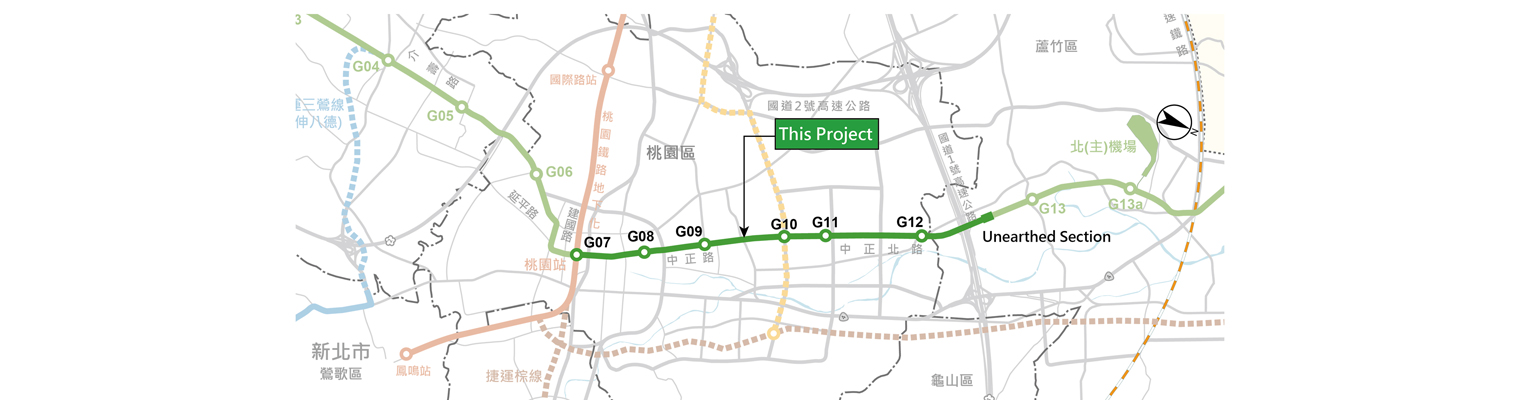
This article takes the "Taoyuan MRT Green Line GC03 Contract G07 Station to North Excavation Section Underground Section Civil Engineering Turnkey Project" as an example. The route starts from Taiwan Railway Taoyuan Station (G07) along Zhongzheng Road and Zhongzheng North Road to the northwest, crosses National Highway No. 1 and then exits the tunnel. The North Excavation Section is connected to the elevated section of GC01 Contract by a bridge abutment structure. The total length is about 5.9 km, including 6 underground stations (G07~G12 stations) and 1 scissor crossover, which are connected by a shield tunnel.
Resources Engineering Inc. (REI), a subsidiary of CTCI, has long been dedicated to the planning and design of rail transit systems. Through its involvement in the planning and design services for the Taoyuan MRT Green Line, REI has continuously advanced energy-saving and carbon reduction strategies through professional integration and innovative design. Leveraging extensive practical experience, the company has embedded sustainability principles throughout every stage of MRT engineering, from planning and design to implementation, contributing to the development of greener and more resilient transportation infrastructure.
1.Planning stage: Integrated Thinking for Low-Carbon Transportation
As a large-scale public construction project, the decisions made during the planning phase will directly impact the system's operational efficiency and environmental benefits for decades to come. Therefore, the team adopted an integrated approach to low-carbon transportation and sustainable urban development during the route planning and station configuration phases.

During the planning of the Taoyuan MRT Green Line, traffic demand analysis and urban development assessment were conducted to rationally allocate station locations and optimize transfer routes, enabling the MRT system to effectively connect the existing transportation network with important urban activity nodes. By integrating multiple modes of transportation such as MRT, buses, walking, and bicycles, the utilization rate of public transportation can be increased, reliance on private cars and motorcycles can be reduced, thereby reducing urban transportation carbon emissions.
2.Energy-saving strategies for station and civil engineering design
In the design phase of a rapid transit system, station architecture and civil engineering design are crucial aspects affecting energy efficiency. Integrating passive design with energy-saving technologies can effectively reduce energy consumption during future operation. In the underground station design of this project, appropriate placement of light wells, ventilation shafts, and open spaces allows for natural lighting and ventilation, reducing the need for daytime lighting and mechanical ventilation.

Furthermore, the station building shell design also considers energy efficiency, such as using building materials with better thermal insulation or designs that reduce solar heat load to decrease the energy demand of the air conditioning system. While these passive energy-saving strategies may seem subtle at the design stage, they can accumulate significant energy savings over long-term operation.
3.Energy-saving design of electromechanical systems
The energy consumption of a rapid transit system is primarily concentrated in its electromechanical systems, including air conditioning, ventilation, lighting, and transportation equipment. Therefore, incorporating energy-saving technologies during the electromechanical design phase is a crucial strategy for reducing operational carbon emissions.

Regarding air conditioning and ventilation systems, high-efficiency equipment and intelligent control systems can adjust operating modes based on different time periods and passenger flow. For example, the system load can be reduced during off-peak hours, or air conditioning can be provided only in passenger activity areas through zoned control, thereby improving energy efficiency.

The lighting system utilizes high-efficiency LED lamps throughout, coupled with automatic sensing and time-based control systems to reduce unnecessary lighting power consumption. Furthermore, variable frequency control and energy-saving operating modes can be implemented in escalators and elevators to reduce energy consumption during periods of low passenger volume.

Through this integrated electromechanical system design, the energy efficiency of the rapid transit system can be significantly improved without compromising passenger service quality.
4.Low-carbon materials and digital engineering management
During the construction phase of the MRT project, the use of building materials and construction activities are significant sources of carbon emissions. To reduce the project's carbon footprint, low-carbon materials and digital management tools are actively incorporated into the design and engineering management processes.

For example, in concrete materials, the appropriate use of alternative materials such as blast furnace stone powder or fly ash can effectively reduce the proportion of cement used, and the cement production process is one of the major sources of carbon emissions in construction projects. Simultaneously, optimizing structural design and improving material efficiency can also reduce overall material usage.

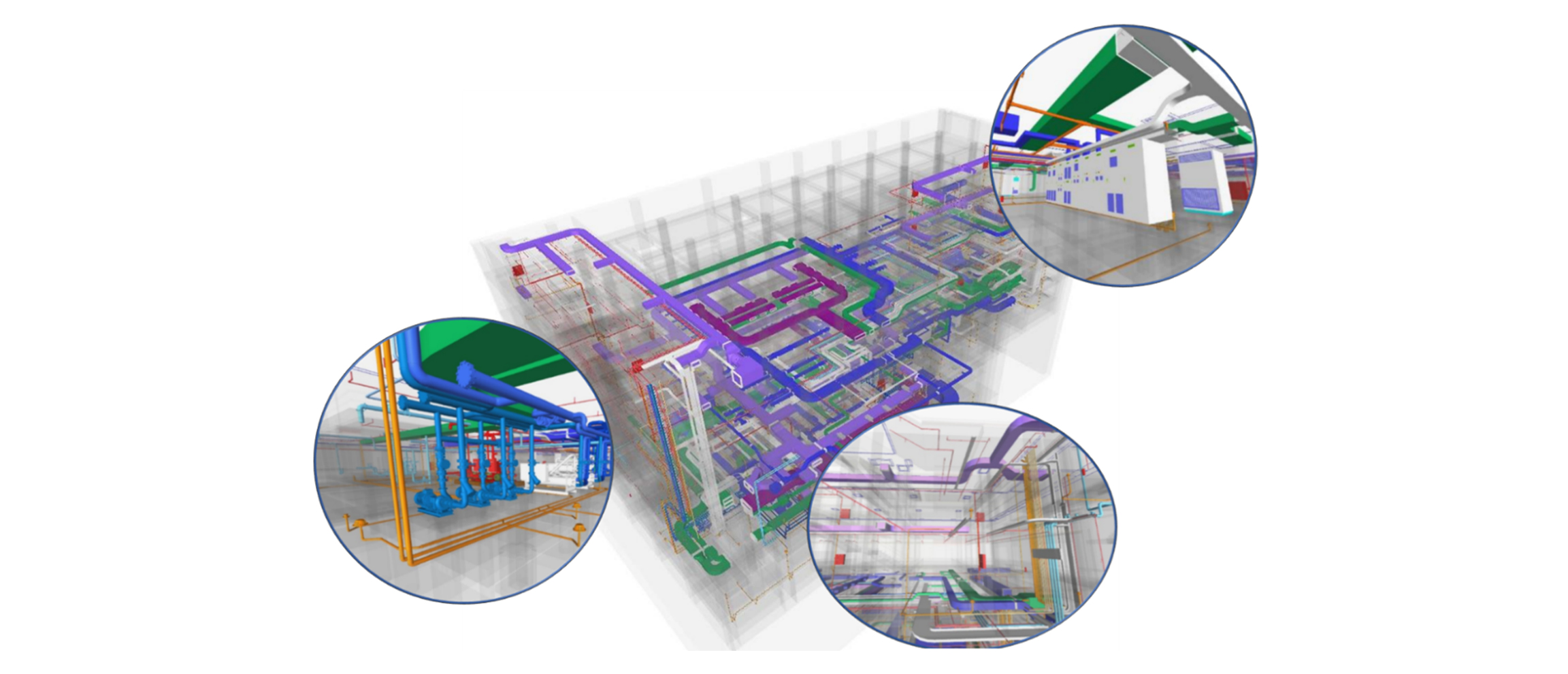
In terms of engineering management, Building Information Modeling (BIM) technology allows for integrated simulation and conflict review during the design phase, reducing changes and resource waste during construction. Digital engineering management can also improve construction efficiency, indirectly reducing energy consumption and carbon emissions during construction.
5.The Sustainable Role of Engineering Firms
In the context of ESG and net-zero transformation, engineering firms not only play the role of technology providers but also serve as key drivers of sustainable engineering. By incorporating energy-saving and carbon-reduction concepts into all stages of planning, design, and engineering management, they can help public infrastructure projects meet transportation needs while simultaneously prioritizing environmental protection and resource efficiency.

Taking the Taoyuan MRT Green Line as an example, REI integrates the concept of energy conservation and carbon reduction into the engineering planning and design through interdisciplinary integration and innovative design, contributing professional strength to the creation of a low-carbon urban transportation system.
Towards the Future of Sustainable Public Infrastructure
Sustainable public works are guided by a life-cycle approach, integrating energy-efficient design and low-carbon materials across the planning, design, construction, and operation stages to enhance resource efficiency and reduce environmental impact. In this project, multiple energy-saving and carbon-reduction measures were implemented during the design and construction phases, achieving an overall reduction of approximately 25,229 tons of carbon dioxide emissions. As smart city and green infrastructure development continue to evolve, further opportunities remain to advance energy-efficient design, energy management, and material innovation in MRT projects. CTCI will continue to integrate ESG principles with its engineering expertise, strengthening low-carbon practices and delivering efficient, environmentally friendly solutions for the sustainable development of public infrastructure.