

CTCIEF
中鼎教育基金會
The 5th Taiwan Sustainable Engineering Forum – Green Engineering Drives a New Era of Smart Technologies

With Engineering Expertise, the Capacity for Sustainable Transformation Is Built
The construction industry is facing a critical turning point as the impacts of climate change worsen, resources become increasingly limited, and technology rapidly evolves. The industry is no longer confined to building and implementation, but must become a key platform for linking carbon reduction, resource recycling, and technological innovation. The 2025 5th Taiwan Sustainable Engineering Forum, co-hosted by CTCI Group and the CTCI Education Foundation, focused on three key themes: "Engineering Evolution: Green Engineering x Circular Economy x Smart Applications". Gathering experts from industry, government, academia, and research, the forum explored practical solutions to the core challenges of sustainable development.

This forum focused on engineering expertise and social responsibility, exploring the key roles of green engineering, the circular economy, and smart application management. Through cross-disciplinary dialogue and case sharing, a forward-looking and practical sustainable path was charted for Taiwan’s engineering industry.
Green Engineering: Addressing Net Zero and Climate Challenges with Engineering Expertise
In terms of "green engineering," the forum focused on how engineering can be a key to driving carbon reduction and the energy transition. The experts present at the forum pointed out that engineering expertise plays an irreplaceable role in system integration and technical implementation across areas such as energy, transportation, water resources, and industrial facilities. By incorporating carbon reduction considerations into the engineering planning and design phase and integrating energy-efficient technologies with renewable energy sources, engineering projects can effectively reduce their overall carbon footprint while ensuring safety and quality.

Practical cases have also shown that combining carbon inventory with digital tools helps make carbon reduction results quantifiable and traceable, providing key support for corporate sustainability governance.
Circular Economy: Redefining Resource Use through Engineering Design
The "circular economy" theme emphasized the need for engineering to break away from linear thinking and incorporate material recycling, reuse, and life cycle management from the design stage. Many cases have shown that waste can be transformed into usable resources through engineering technology and management mechanisms. The engineering team plays a key role in integrating and implementing cross-industry and supply chain collaborations, helping build a more resilient and efficient industrial circular ecosystem.

In addition, the circular economy is closely linked to corporate ESG performance. Through the involvement of engineering expertise, companies can more systematically address environmental responsibility while also boosting operational efficiency, leading to mutual benefits for the environment and the economy.
Smart Applications: Empowering Sustainable Engineering Transformation with Technology
"Smart applications" refer to the use of smart technologies – including artificial intelligence, the Internet of Things, big data analytics, digital twins, and systems engineering – to build an engineering system with sensing, learning, and decision-making capabilities, thereby enhancing the safety, resilience, and management efficiency of infrastructure. Under the global trend of net-zero carbon emissions and sustainable transformation, the engineering field is transitioning from traditional management models to a new phase of intelligent governance.

Faced with frequent earthquakes, salt damage, and extreme weather events in Taiwan, integrating engineering intelligence into the maintenance and management of bridges, railways, tunnels, water resources, and energy facilities is now an urgent priority. Engineering intelligence represents not only a technological advancement, but a critical strategy for driving smart, resilient infrastructure and sustainable engineering practices—marking a transition in the engineering field from a technology-focused approach to a new, intelligent and sustainable model centered on AI, data, and ESG.
Joining the Action on Sustainability
The 5th Taiwan Sustainable Engineering Forum once again emphasized that the transition to sustainability  requires joint effort among industry, government, academia, and research institutions. Through the continued development of green engineering, professionals from different fields can exchange experiences and build consensus, gradually establishing a common language and foundation for action to promote sustainable engineering.

Forum participants generally agreed that the continued integration of green engineering, the circular economy, and smart applications within the engineering industry would not only help address global sustainability trends but also raise the profile and impact of Taiwan’s engineering capabilities internationally.
Making Engineering More Sustainable, Project by Project
"Engineering Evolution: Green Engineering x Circular Economy x Smart Applications" is not only the theme of this year's forum, but also a key direction for the future of the engineering industry. The CTCI Education Foundation will continue to rally support from all sectors to promote the deep integration of engineering expertise and sustainable governance.

Looking ahead, engineering will play a pivotal role in creating shared social and environmental value through the continuous accumulation of practical experience, development of sustainability talent, and strengthening of cross-sector collaboration.
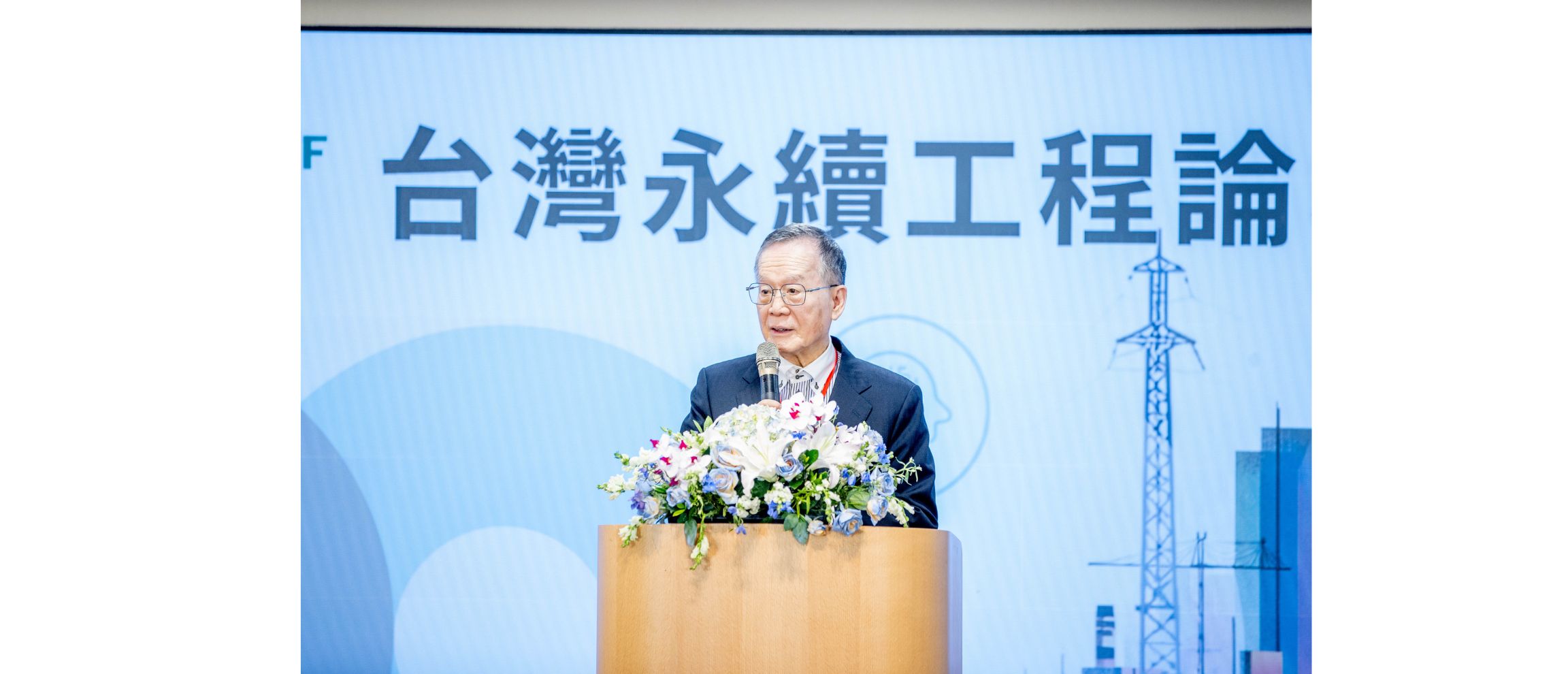
Chairman Eugene Chien of the CTCI Education Foundation delivered the opening remarks
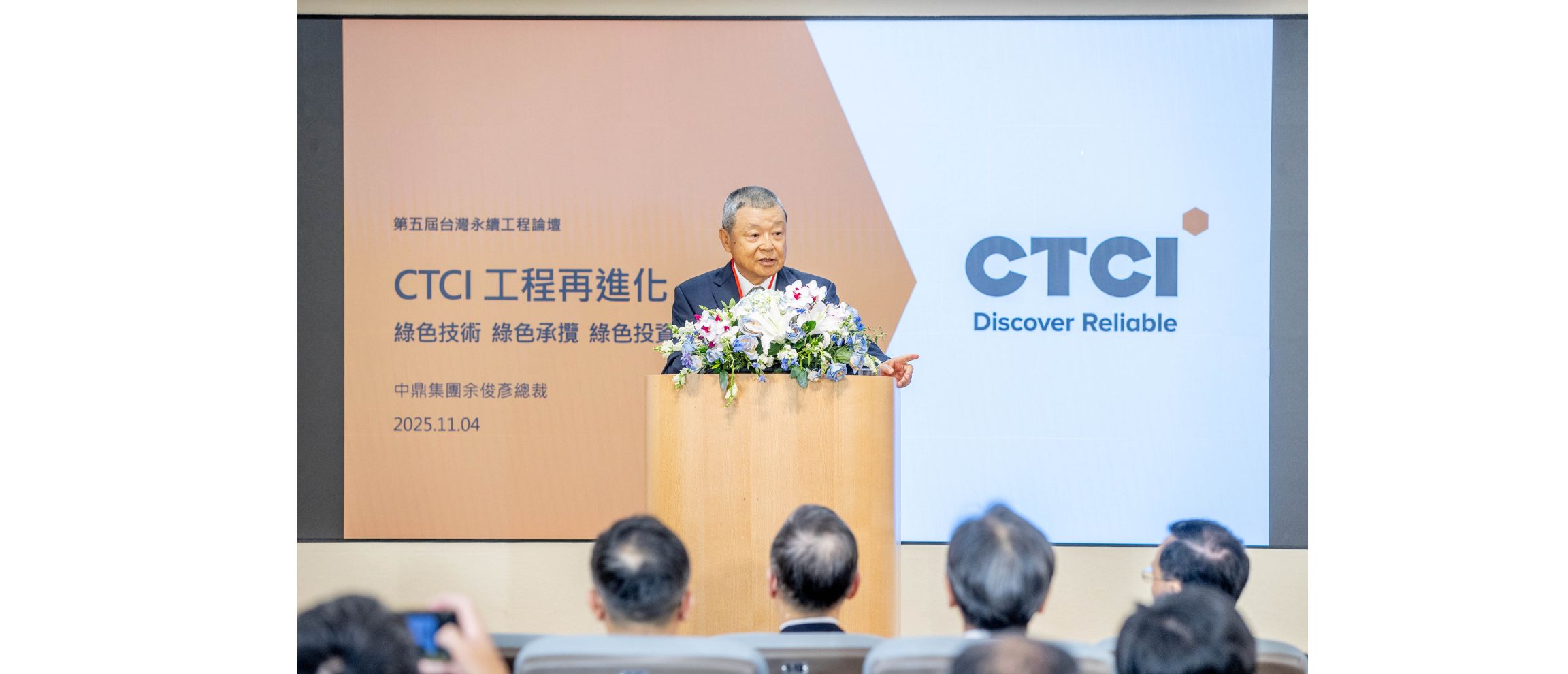
CTCI Group Chairman John Yu delivered a keynote speech
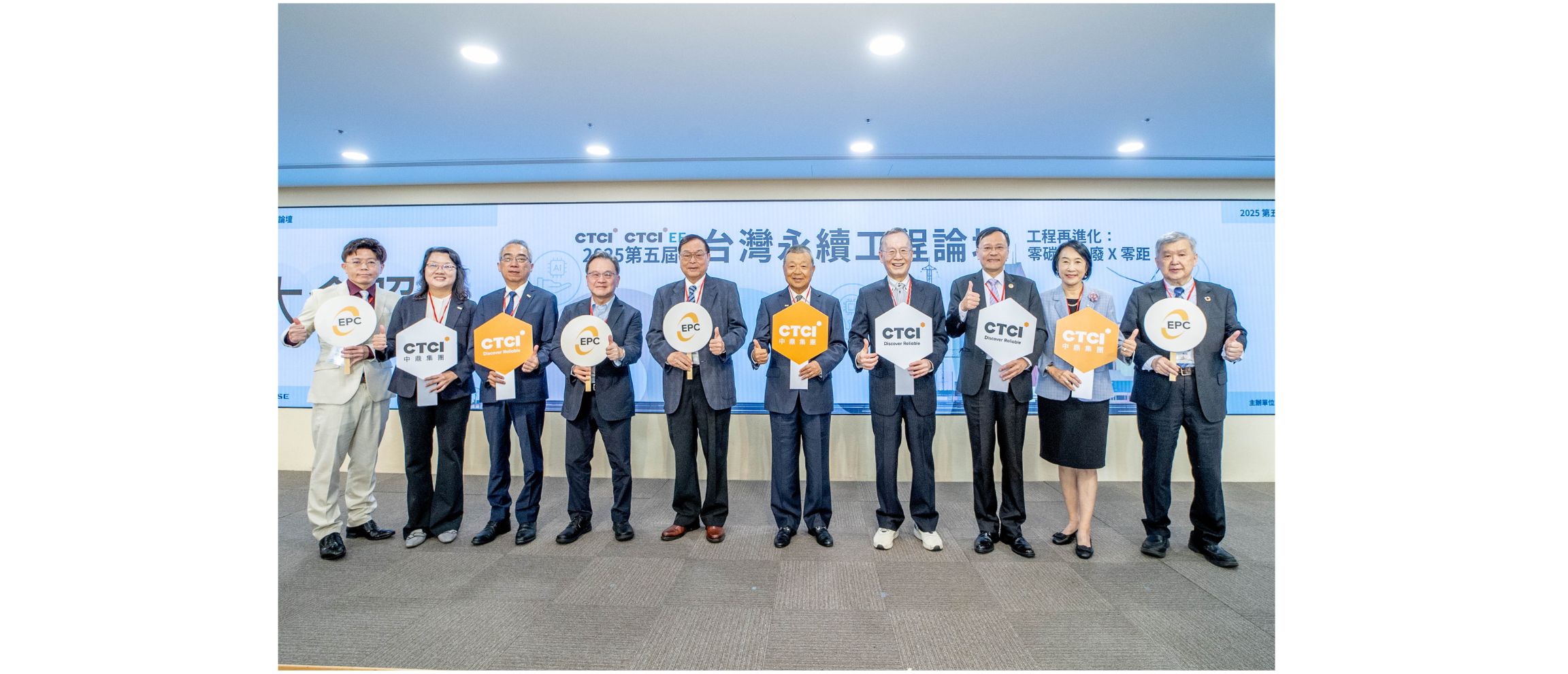
The 5th Taiwan Sustainable Engineering Forum Concluded Successfully


