

Eco-friendly Innovation
綠色創新
Advancing Green Engineering: Elevating Client Needs into Lasting Sustainability

High-Tech Goes Green: Evolving from Obligation to Purpose
The high-tech industry is shifting its perspective on environmental responsibility worldwide. Before, companies went green mainly because they had to follow international trend regulations. Now, they are actively choosing to build advance eco-friendly network of partners and suppliers. Top tech companies are making real changes because their customers and investors expect it, and because of new global standards like the European Union's Carbon Border Adjustment Mechanism (CBAM). They are making sure every part of their supply chain performs well environmentally.

As a trusted partner to these clients, CTCI Group's mission extends beyond delivering projects on time and within budget. The challenge now is to work with all stakeholders to create a truly "sustainable building” —one designed to endure, resilient to future impacts, and mindful of minimizing its environmental footprint. This new goal is a big requirements for our engineering and management teams, but it's also a perfect opportunity to show what we can do in green engineering.
Thinking on Our fundamental value to Meet Our Clients' Green Ambitions
Building a high-tech factory is a fast-paced and constantly changing process. It's very different from the past projects that are planned out years in advance with few changes. When the designs add "going green" to the mix, clients are even more eager to use the latest technologies and building methods. If we stick to the traditional, step-by-step way of processes, we can't keep up with sudden design changes and delays. Moreover, we could loss the key opportunity to build with “GREEN” into the project from the very beginning.

Now a day, our challenge isn't convincing clients to invest in sustainability. The real one is being fast and informed enough to realize their acquirement is happened. During fast-moving meetings, our past experience to predict what problems might pop up later. This allows us to go back to the drawing board and suggest flexible, forward-thinking solutions. This "look-ahead" approach is the only way to make sure that even when things are changing quickly, we are still heading straight for clints green targets with their hidden requirement.
From Individual Machines to a Smart System: A New Way to Save Energy in Factories
Let's take a use case that makes semi-chips. The system in the building which focus on air conditioning (AC) is crucial for keeping the production rooms perfectly clean. Of all the equipment in the factory, the cooling system uses the most electricity. The old way to save energy was simple: make sure every single machine runs at its own personal best. Each part did its own job without worrying about the others.

However, as design became more complex, we realized the real secret to saving energy wasn't in the individual parts, but in how they work together as a team. The issue was getting all the equipment to coordinate. For example, a cooling system has chillers, pumps, and cooling towers that must work in harmony. To get the best results, you have to balance many changing factors. A common problem was tuning one machine to be super-efficient, but this would force a pump or fan to work overtime, actually wasting more energy for the system as a whole.
Insights from Clients: Three Core Concepts for an AI-Driven Cooling System
Recently, the industry has adopted a new strategy using Artificial Intelligence (AI). This approach collects real-time information from the entire system—things like temperature, humidity, power usage, water flow, and pressure. The AI then analyzes all this data to build a "Digital Twin." You can think of it as a virtual copy of the factory inside a computer. This virtual factory helps predict how the real one will behave, allowing every piece of equipment to be smartly adjusted for the best performance.

At ATFBO division, we are following this trend closely, making the "Digital Twin" a top priority in our planning and building. At every stage of a project, our team focuses on three key things:
■ Placing sensors where they are needed to gather the right information.
■ Building a reliable system to send all that data without interruptions.
■ Making equipment from different brands "talk" to each other so they can work together.

CTCI harness its expertise to help clients plan for the future, ensuring that the physical equipment they install will work perfectly with these smart control systems down the road.
How team CTCI Contributes: An Engine Driving Sustainable Value
With clients need changing faster and systems getting more complex, our engineering team plays several key roles to make a project successful:

1.Shaping the Plan from the First: Early in the project, using several recently project with experiences to predict future issues and design a system that is flexible enough to adapt. We help the clients understand the full picture, comparing the initial building cost with the long-term running costs to their facility management periods. This assistance us make smarter, more resilient decisions before construction even begins.

2.Harmonizing Communication in a Diverse Team: CTCI brings together experts from a wide range of fields—not only the traditional usual electrical, mechanical, and safety teams, but also specialists in control systems, data dashboards, and analytics results. The team’s primary role is to act as a connector, translating the technical language of each specialty into a clear, shared goal for the project. This ensures everyone has the same information and can make decisions collaboratively.
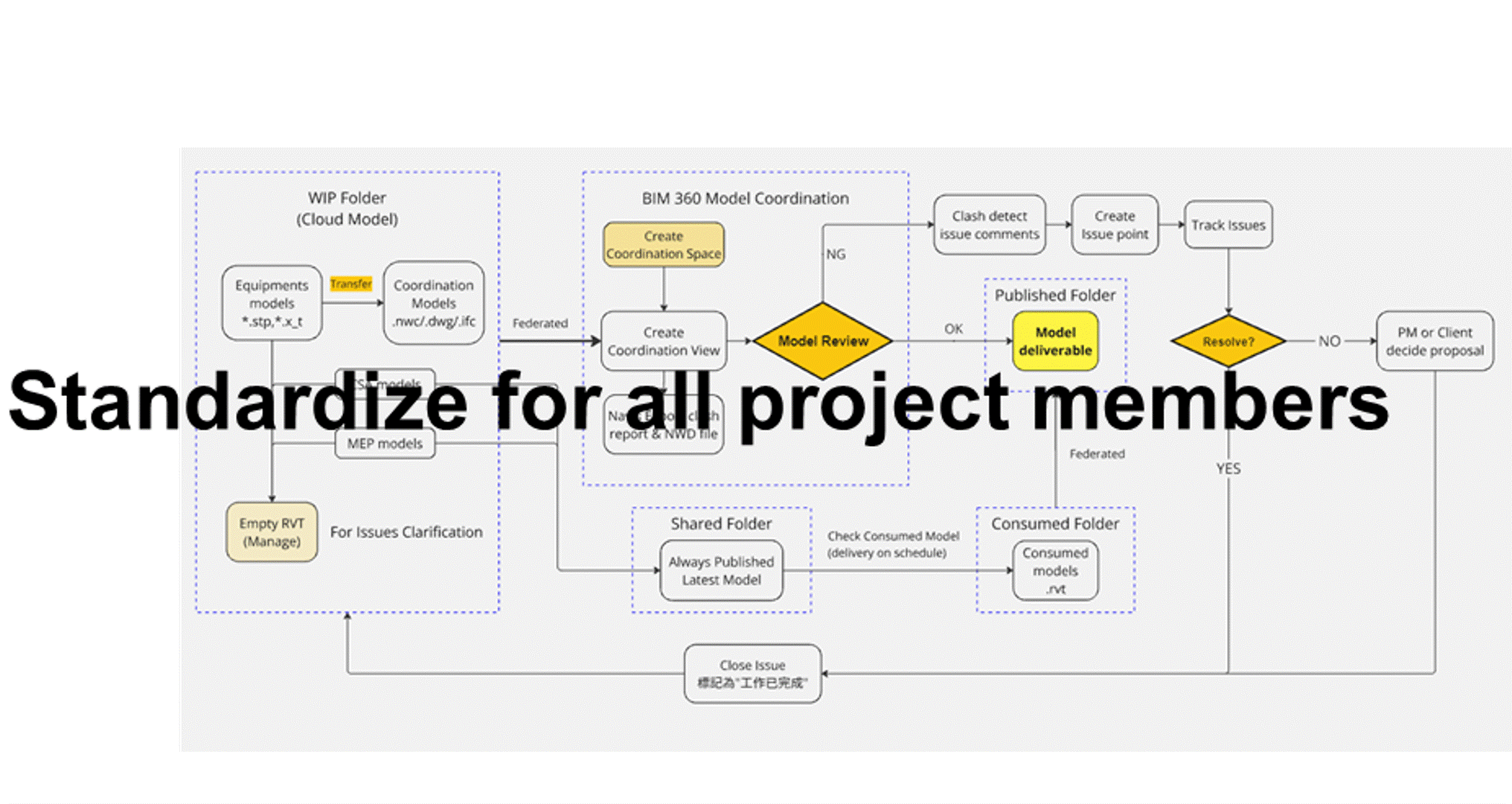
A clear, step-by-step process for sharing information ensures everyone works with the same high-quality data.
3.Sparking Innovation with Our Partners: We don't just use new technology; we help create it. Before a project is even finished, we help the client add key environmental data into their 3D digital model of the building (known as a BIM). This connected data helps every stakeholders—the client, suppliers, and the future maintenance team—communicate better. It allows us to keep offering custom solutions that fit the project's needs. This adds more value to the project and encourages the entire industry supply chain to become greener.
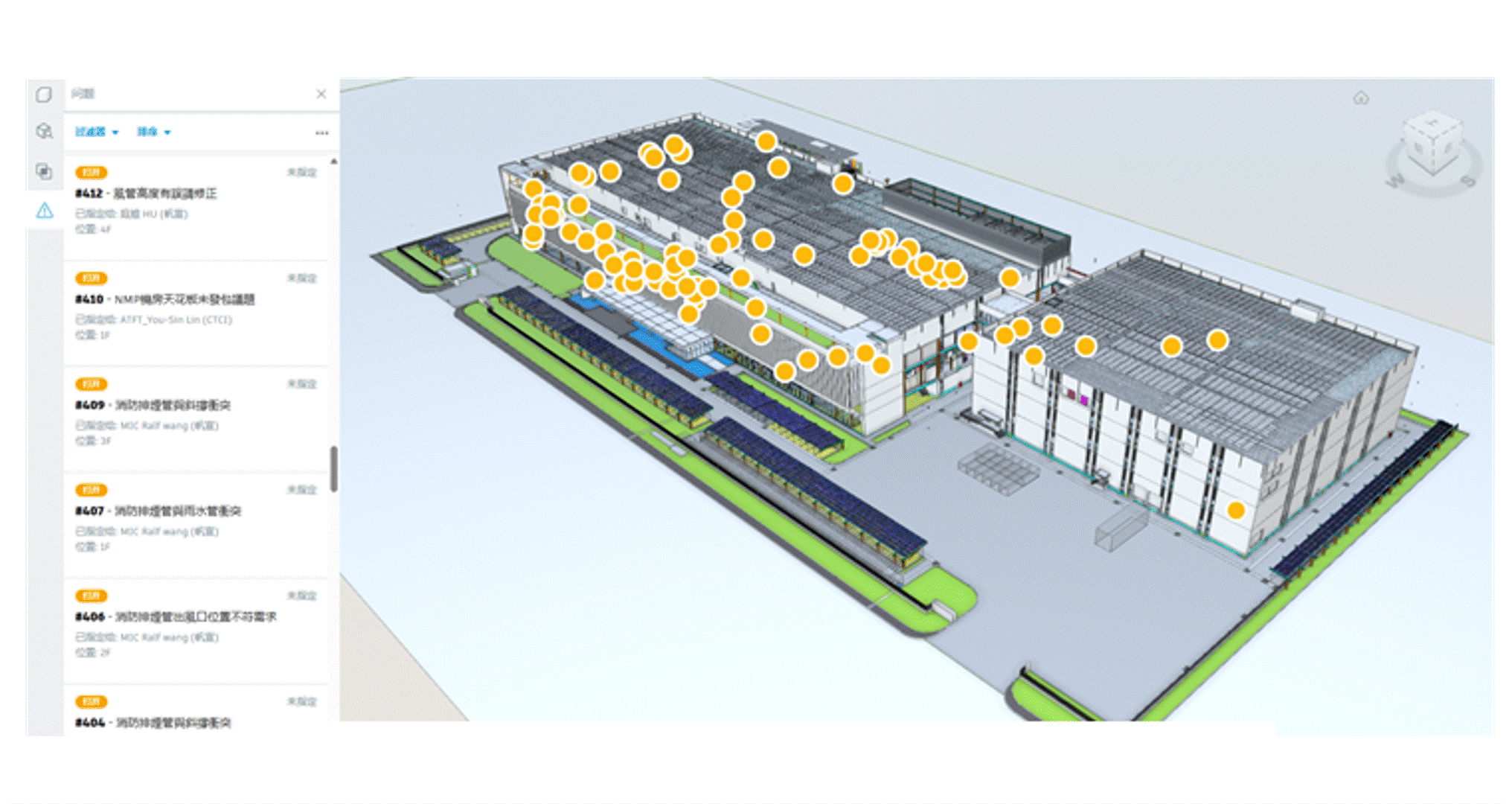
Using cloud technology, the 3D model (BIM) becomes a central place where all partners can communicate using the same, consistent data.
Sustainability: The New Standard for Great Engineering
Building green ideas into projects is not just something CTCI does to meet client and market demands; it's also done to enhance the Company's own expertise and performance. The "big picture" approaches our teams apply in high-tech factories demonstrate that sustainability and efficiency are not mutually exclusive—you can achieve both. This represents the future of engineering. By embedding this big-picture thinking into its standard practices, CTCI not only delivers greater value to clients but also strengthens the foundation for its future success and reinforces its leadership in the industry.


