
CTCI Family
CTCI地球村
Sketches of Me at CTCI Thailand
— Tanpimon Deesakul, Process Engineer at Process Section, CTCI Thailand
Hello, my name is Tanpimon Deesakul, nicknamed Puifai. I’ve been working at CTCI Thailand for almost six years and a half, and have been transferred to the Process Department of CTCI Corporation in Taipei recently due to project needs. I studied chemical engineering in college and received bachelor’s degree from the Sirindhorn International Institute of Technology, Thammasat University. I then went on to pursue my graduate studies at the Kasetsart University, where I got my master’s degree in engineering management and industrial engineering. My hometown is Songkhla, which lies nearly one thousand kilometers south of Thailand’s capital city, Bangkok. I come from a family of four, including my father, mother, and a younger sister.
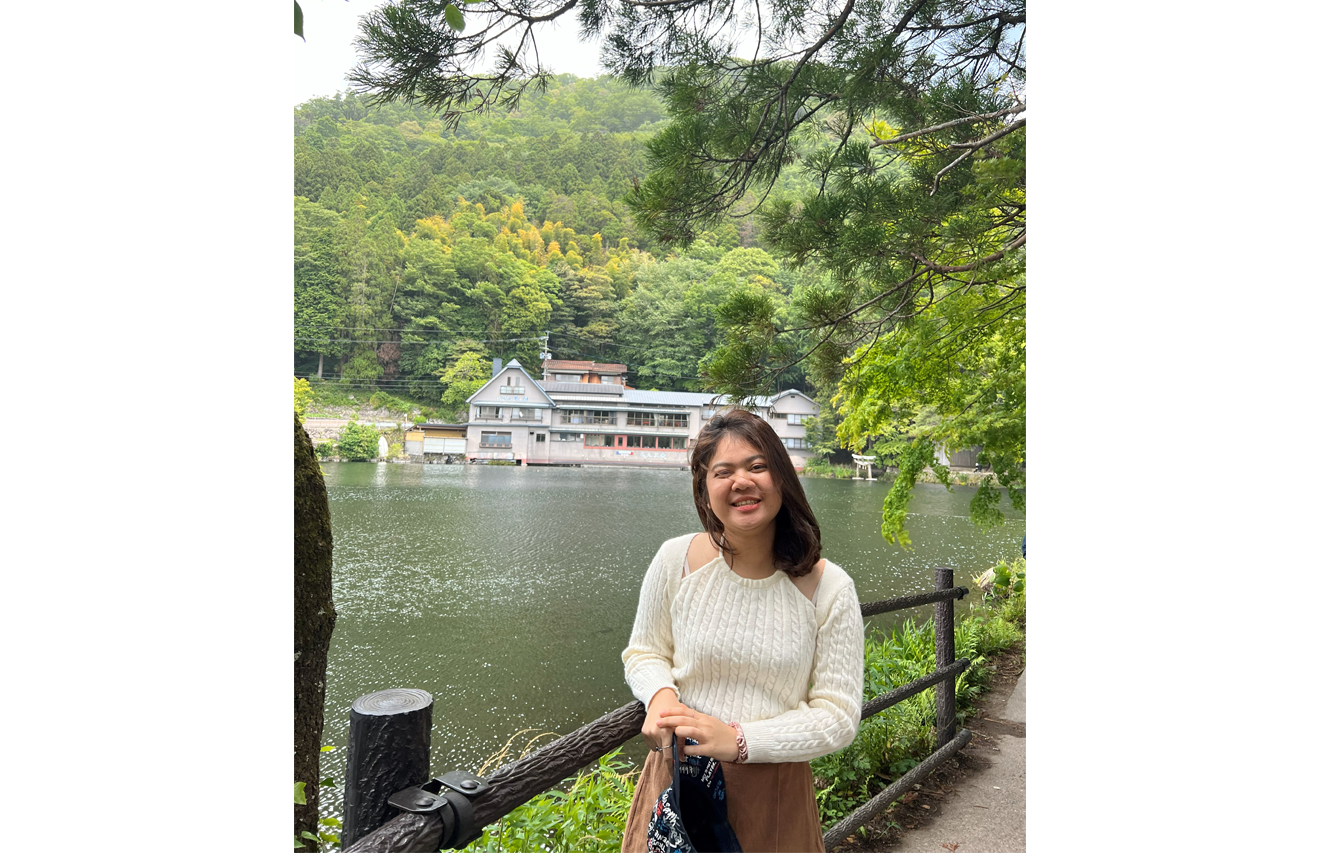
Ms. Deesakul is process engineer at CTCI Thailand.
Process Engineering, a Job I Love So Much
Before joining CTCI Thailand, I worked as a project engineer at another EPC company. One day, I learned that there was a job vacancy for entry-level process engineer at CTCI Thailand. Since I always wanted to get a job that’s related to what I studied, and given that CTCI is a leading EPC Group in Taiwan and one of the world’s top 100, I applied for the job with excitement. As someone who had recently graduated from school and had no experience in process engineering, I really appreciated CTCI for the job offer. What I love about the Process Department at CTCI Thailand is that it’s a place where I can unleash my passion, learn new things, search for solutions, and grow from mistakes. This is the right place to be because people always help each other in every project, and I love listening to senior colleagues who share their experience and wisdom.

In EPC projects, process engineering is akin to “the human’s brain,” which decides the functions that a plant must meet. A process engineering team makes appropriate designs based on full understanding of the process, so that equipment, piping, electrical, instrumental & control, and civil engineering teams can follow along correctly. The quality of process engineering would inevitably impact project profits or even a company’s bottom line.

As a process engineer, my job is to design processes that meet the needs of our clients and to ensure the process runs as expected, correctly, and safely. My daily routine usually starts with the basic and small tasks, such as preparing P&ID, PFD, Basis Engineering Design Datasheet, Line List, Equipment and Instrument Process Data Sheet, Cause and Effect, and etc. My most unforgettable job experience is taking part in the cooldown and pre-commissioning of PTTLNG gas separation plant outside battery limits project, which involved checking pipes with nitrogen. This was my first time working at a site, and truly felt that the success of any project depends on capable engineers working with experienced workers to deal with problems onsite. Being onsite helps engineers like me to broaden and clarify the design perspective, bridging the gap between designers and those working on the front lines. This work experience helped me grow a lot.
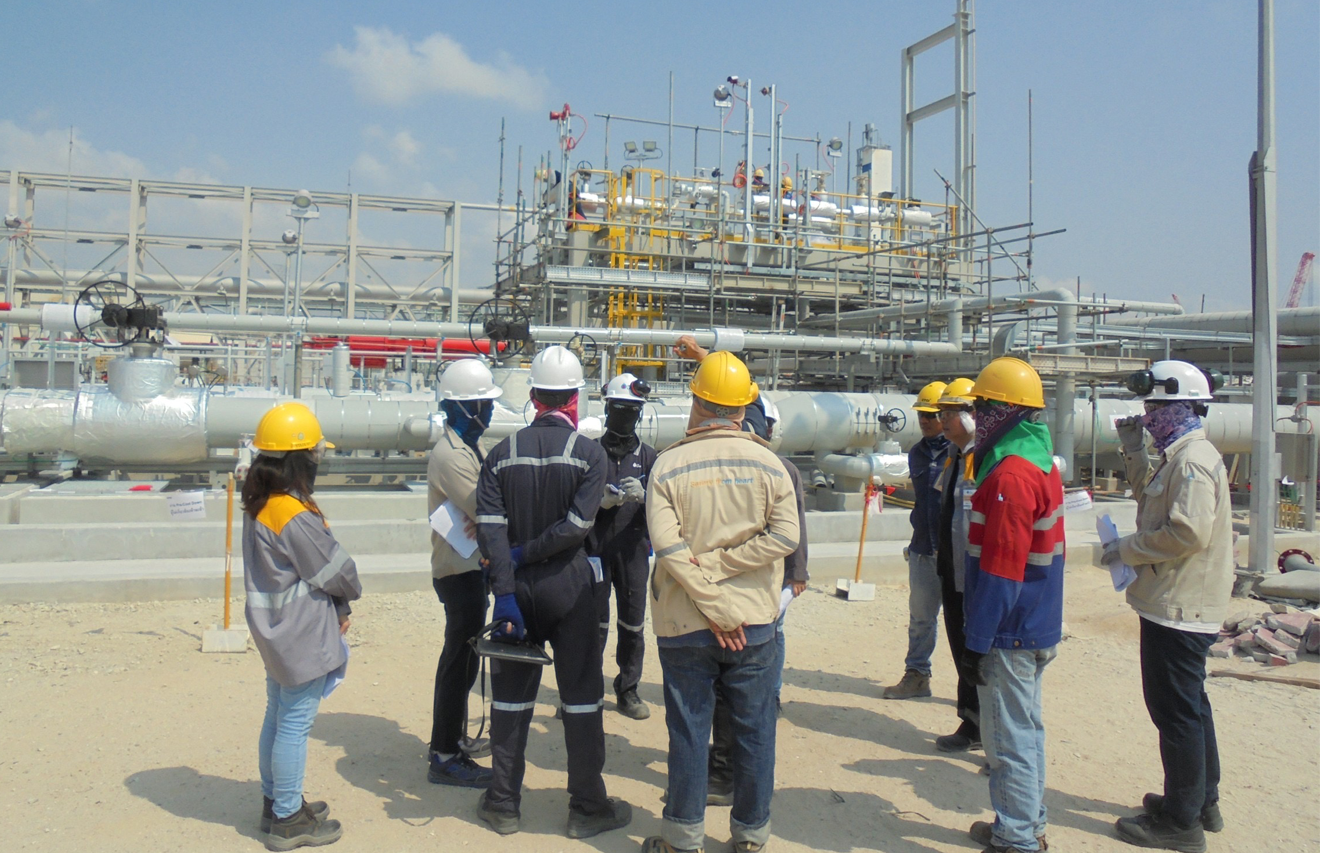
Taking part in the cooldown work onsite for a gas separation plant project.
I consider myself as an introvert person, someone who is better at listening than speaking. I may appear quiet until I get to know people well. I enjoy reading, writing journals, and travel alone. Spending time in a good café, with a good cup of coffee and a nice book, helps me relax. If I were a color, it must be beige, as I can adapt well to the environment. This trait helps me immerse myself in diverse cultures and meet new friends, and allows me to gain more confidence.
Thai Culture and Workplace Observation
For Thai, food is a national priority. Instead of greeting each other with a simple “Hello,” we often ask “Have you eaten yet?” Food helps people build relationships. Sharing meals together—such as Som Tum (papaya salad), is a great way to break the ice. If you want a smooth relationship across departments, taking colleagues out for a meal or sharing snacks is a highly effective strategy.

“Spiritual engineering” is an interesting aspect of Thai work culture. When it comes to important project milestones, such as laying the foundation stone for a power plant or commissioning machinery, a blessing ceremony would take place to ensure good fortune. It’s also a way to boost morale and give the engineering team the assurance that “our good technology enjoys extra protection from the sacred spirits.”

I’m really humbled to be able to work at a global EPC Group that is CTCI. I strongly believe that a combination of “Taiwanese discipline and hard work spirit” and “Thai flexibility and interpersonal skills” would help CTCI Thailand team go a long way!
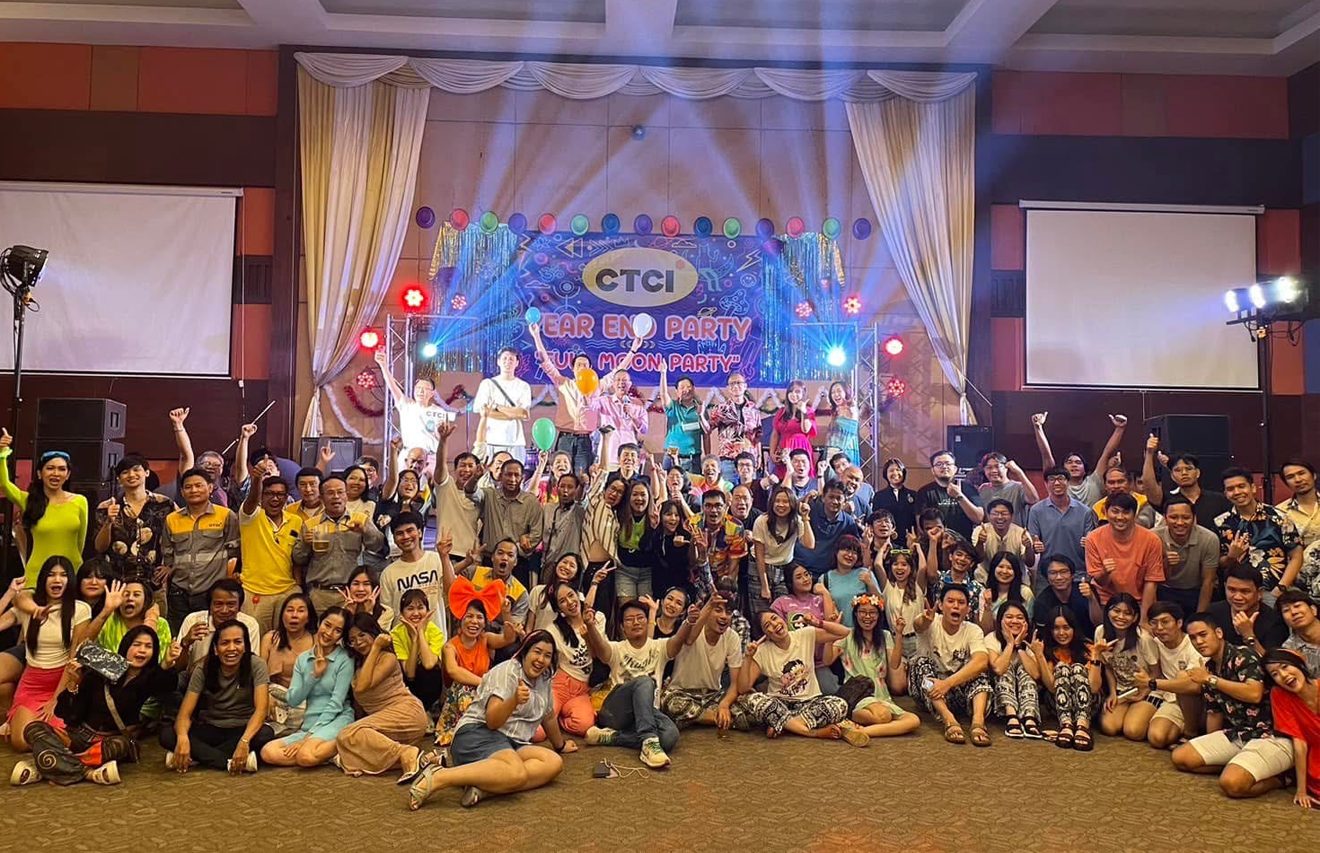
Enjoying CTCI Thailand’s New Year Party 2025


